Amir Hayes · 6 October 2026
Steel Technologies Redefining Support Structures in Poland's Transit Network Growth
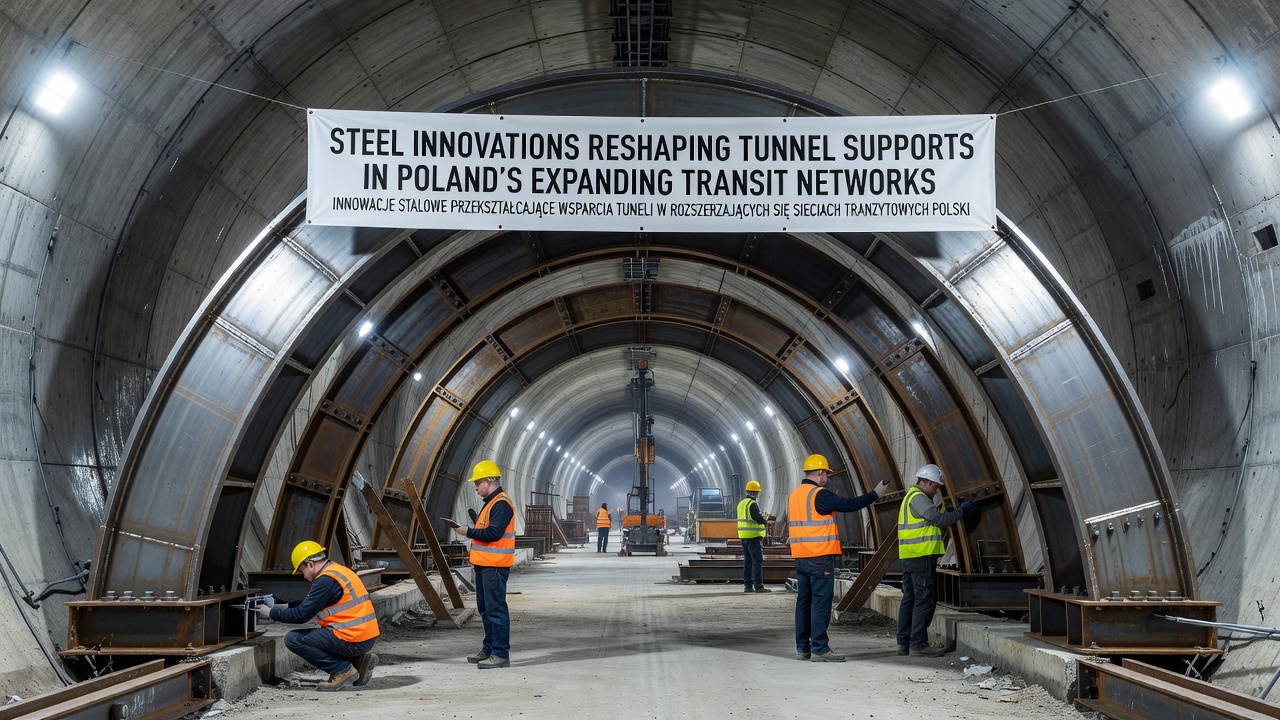
Steel innovations have entered Poland's transit expansion projects with new high-strength alloys and modular support systems that address the demands of deeper tunnels and varied geological conditions across major urban corridors. Research from the European Commission on infrastructure materials shows these developments build on established tunneling practices while incorporating corrosion-resistant coatings and prefabricated segments that reduce on-site assembly time.
Material Advancements Driving Structural Changes
Engineers have shifted toward ultra-high-performance steel grades that offer tensile strengths exceeding traditional options by 30 percent according to data compiled by the International Tunnelling and Underground Space Association. These grades integrate with fiber-reinforced polymers in hybrid configurations where the steel provides primary load-bearing capacity and the polymers add flexibility against seismic movements. Observers note that such combinations appear in projects linking Warsaw with surrounding industrial zones where soil variability requires adaptive support designs.
Coating technologies have also progressed with multi-layer epoxy and zinc systems that extend service life in high-moisture environments. Figures from the World Steel Association reveal that treated steel segments now demonstrate corrosion rates below 0.05 millimeters per year in aggressive groundwater conditions common beneath Polish cities. This performance stems from automated application processes that ensure uniform coverage across prefabricated rings before they reach construction sites.
Implementation Patterns in Current Polish Projects
Transit authorities in Poland have incorporated these steel systems into several ongoing lines that extend beyond the capital into regional centers. As of October 2026 installation records indicate over 12 kilometers of newly supported tunnels using modular steel arches that bolt together in sequences allowing continuous excavation without extended pauses. Workers position the arches with hydraulic jacks that maintain alignment even when encountering mixed clay and sand layers typical of central European strata.
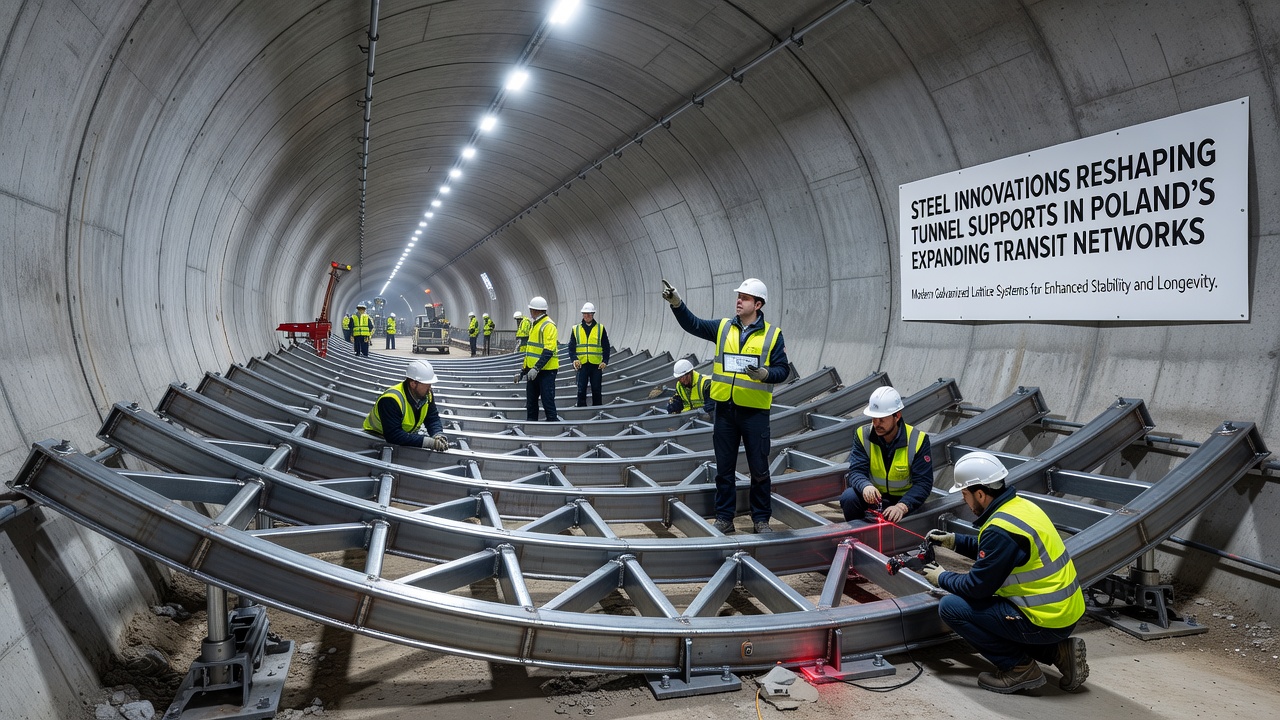
One notable application involves teh integration of sensor-embedded steel supports that transmit real-time stress data to monitoring stations. Research published by the University of Alberta's civil engineering department demonstrates how embedded fiber-optic strands within steel flanges detect micro-deformations before they affect overall tunnel integrity. Polish contractors have adopted similar monitoring on segments where traffic loads from surface roads intersect underground routes.
Economic and Logistical Outcomes Observed
Procurement data compiled by transit operators shows that prefabricated steel components cut material delivery schedules by approximately 25 percent compared with cast-in-place concrete alternatives. The standardized dimensions permit rail transport from fabrication facilities in southern Poland directly to northern excavation faces reducing intermediate handling steps. Crews report fewer weather-related delays because the steel elements arrive ready for immediate placement regardless of temperature fluctuations that slow concrete curing.
Maintenance projections based on accelerated testing at the European Investment Bank infrastructure studies suggest these steel supports require inspection intervals extended to 18 months rather than the previous annual checks. This adjustment arises from the enhanced fatigue resistance built into the new alloy formulations that withstand repeated loading cycles from passing trains.
Integration with Broader Network Expansion
Poland's national transport strategy connects these tunnel innovations to larger goals of linking industrial zones with passenger corridors. Steel support designs accommodate future electrification upgrades because their modular nature allows additional conduit routing without structural modifications. Records from the Polish Ministry of Infrastructure indicate that tunnels completed with these methods now support both standard gauge passenger services and dedicated freight paths within the same cross-sections.
Geotechnical surveys conducted ahead of excavation phases have guided the selection of specific steel profiles for different overburden depths. Shallower sections near urban centers employ lighter I-beam configurations while deeper alignments under river valleys utilize box-section arches that distribute loads more evenly across wider spans. This tailored approach aligns material use with actual site demands rather than uniform specifications.
Conclusion
Steel innovations continue to appear in Poland's transit support systems through refined alloys, protective treatments, and sensor integration that match the requirements of expanding networks. Documentation from multiple infrastructure programs confirms measurable gains in installation speed, durability projections, and adaptability to local geology. These developments remain grounded in engineering data and field performance rather than untested concepts.