Elena Peters · 2 September 2026
Poland has announced significant progress in the construction schedule for Warsaw's third metro line, aiming to complete key sections ahead of the original plan. Officials from the Ministry of Infrastructure confirmed that additional funding and streamlined permitting processes have allowed for an accelerated timeline. The initiative reflects the country's commitment to enhancing public transportation infrastructure in its capital city. Warsaw's metro system has seen steady expansion over the past decades, with Line 3 representing the next major addition to serve growing population needs.
Details of the Accelerated Schedule
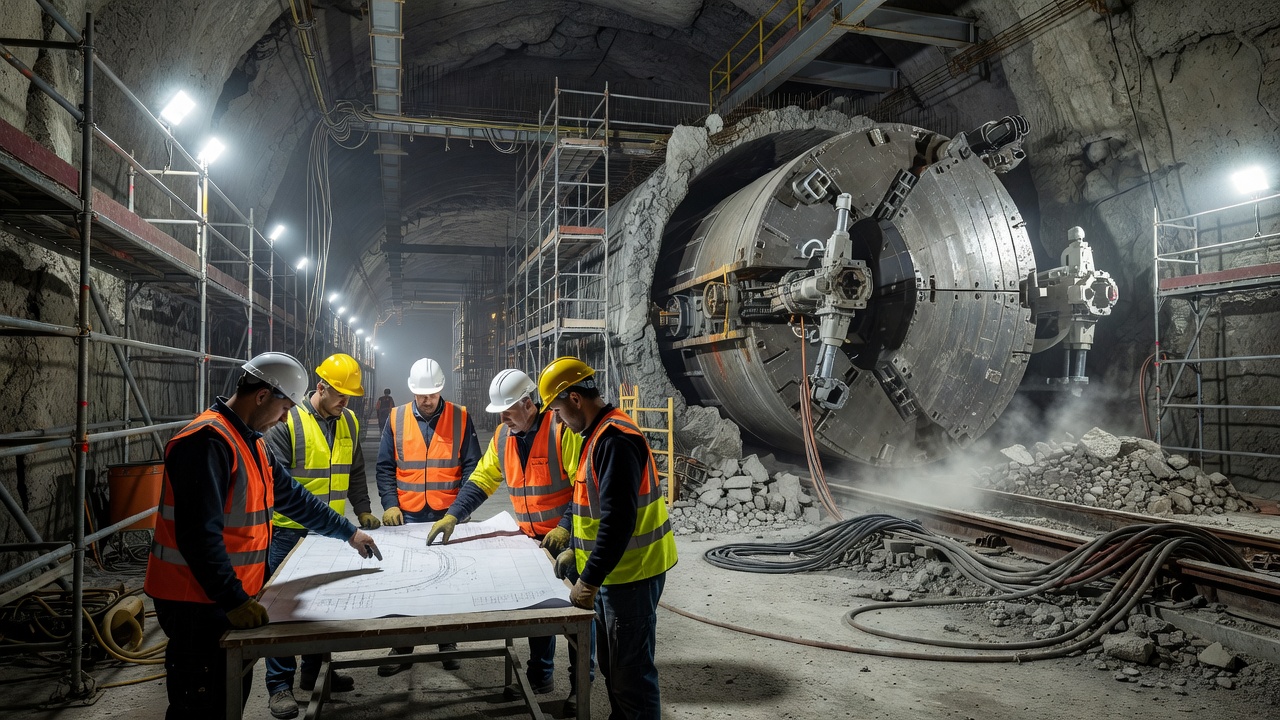
The new timeline projects the opening of the first segment of Line 3 by 2028, two years earlier than previously scheduled. This segment will connect the city center with the eastern districts, serving an estimated 150,000 daily passengers. Construction crews have already begun tunneling operations in multiple locations, utilizing advanced boring machines to expedite the process. Environmental assessments were completed last month, clearing the way for uninterrupted work. Additional resources have been allocated to procure necessary materials and hire specialized labor. The project incorporates sustainable practices, including energy-efficient stations and noise reduction measures during construction. Engineers are employing cutting-edge technology to monitor structural integrity throughout the excavation phases. Regular updates will be provided to the public through official channels.
Impact on Urban Development
This advancement is expected to boost economic growth in the affected areas by improving connectivity and reducing travel times. Real estate values along the route are anticipated to rise, encouraging further investment in commercial and residential properties. Commuters will benefit from reduced congestion on existing lines and surface transport. The government emphasizes collaboration with local authorities to minimize disruptions in neighborhoods near construction sites. Monitoring committees will oversee progress to ensure adherence to safety standards and budget constraints. Long-term benefits include decreased carbon emissions from fewer private vehicle trips and enhanced accessibility for residents in suburban regions. Integration with bus and tram networks is planned to create a seamless multimodal transport system. Further phases of the line are also under review for potential schedule adjustments based on the success of initial works. International experts have been consulted to optimize design elements and construction methodologies. The overall investment is estimated at several billion euros, with contributions from both national and European Union funds. This project aligns with broader European goals for sustainable urban mobility.