Olivia Otto · 2 September 2026
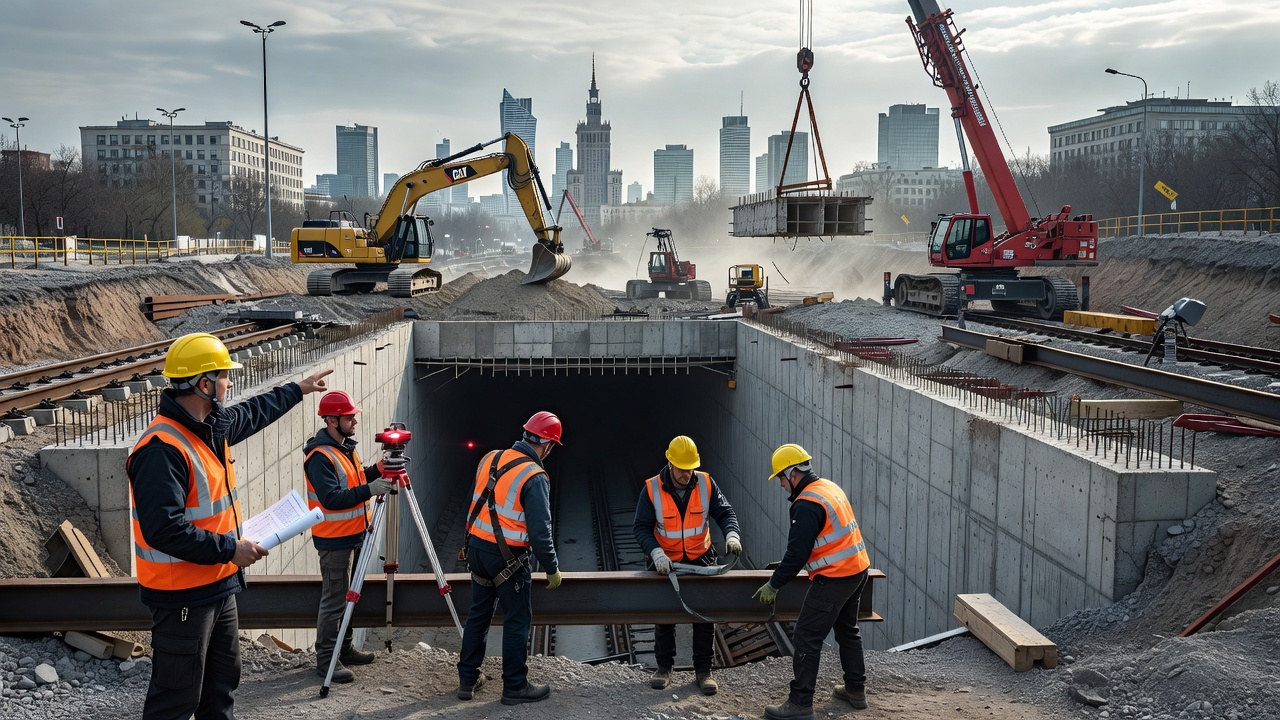
Polish authorities have confirmed an accelerated timeline for Warsaw Metro Line 3, advancing key milestones by up to 18 months. The decision follows revised funding allocations and streamlined permitting processes aimed at addressing growing passenger demand in the capital's eastern districts. Officials from the Ministry of Infrastructure stated that construction on the initial 8-kilometer segment will now begin in the first quarter of 2026 rather than mid-2027.
Revised Project Phases
The updated schedule prioritizes the Tarchomin to Bródno corridor, incorporating six new stations equipped with platform screen doors and energy-efficient ventilation systems. Engineering teams will deploy tunnel boring machines earlier than planned, supported by additional geotechnical surveys completed last month. Procurement for rolling stock has also been fast-tracked, with contracts for 24 new trainsets expected to be awarded by September 2025. City planners emphasize that the acceleration aligns with broader goals to reduce road congestion and lower emissions across the metropolitan area.
Local stakeholders, including district councils in Praga-Północ and Targówek, have welcomed the changes while requesting continued coordination on surface-level disruptions. Noise mitigation measures and temporary traffic rerouting plans are being finalized to minimize impacts on residents during peak excavation periods. Independent audits will monitor compliance with environmental standards throughout the construction window.
Economic and Connectivity Benefits
Analysts project that the earlier opening of Line 3 will generate approximately 45,000 daily trips by 2030, enhancing links between residential zones and major employment hubs near the city center. Integration with existing Lines 1 and 2 at key interchanges will improve overall network capacity by 15 percent. The project is expected to support 2,800 direct jobs during construction and stimulate adjacent commercial development along the corridor. Funding combines national budget contributions with European Union cohesion funds, totaling 4.2 billion PLN. Regular progress reports will be published to maintain transparency with taxpayers and transport users.