Otto Coleman · 2 September 2026
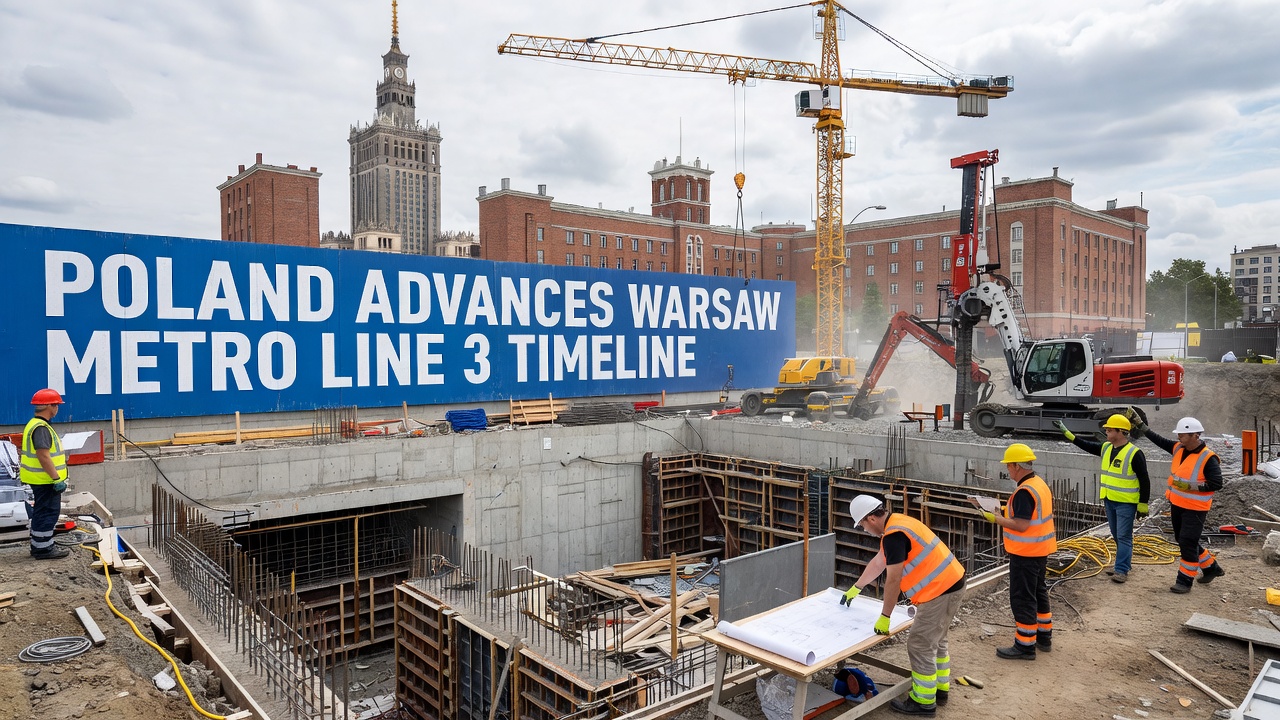
The Polish authorities have decided to expedite the development of Warsaw's Metro Line 3, shortening the expected completion date by two years. This decision comes after securing additional funding from European Union sources and national budgets. The line, which will span approximately 11 kilometers and include seven new stations, is set to enhance connectivity in the capital's eastern areas.
Revised Project Timeline and Milestones
Construction work on the initial segment from the city center to the Targówek district is now scheduled to begin in early 2025, with tunneling operations progressing at an accelerated pace due to advanced boring machines. By 2027, the first three stations are expected to be operational, allowing passengers to travel from the central railway station to the new eastern terminals. Subsequent phases will see the extension towards Gocław and other neighborhoods by 2029, incorporating modern signaling systems and energy-efficient designs. Experts note that this timeline adjustment reflects Poland's commitment to improving public transportation infrastructure amid growing urban population demands. Local contractors have been awarded bids for multiple sections, ensuring that parallel works can occur without delays. Environmental assessments have been fast-tracked to comply with regulations while minimizing impact on surrounding areas. Additional resources have been allocated for workforce training to meet the faster pace.
Broader Implications for Warsaw Infrastructure
The advancement of Metro Line 3 is anticipated to reduce road congestion significantly, promoting sustainable mobility options for residents. Integration with existing lines one and two will create a more comprehensive network, facilitating easier commutes across the city. Economic analyses suggest job creation in construction and related sectors, alongside increased property values near new stations. Furthermore, the project aligns with national goals for carbon emission reductions by encouraging public transit use over private vehicles. Officials emphasize ongoing monitoring to address any potential challenges in the accelerated schedule, ensuring safety and quality standards remain uncompromised throughout the process. Urban planners highlight how the line supports long-term city growth strategies and improved accessibility for all demographics.