Olivia Otto · 20 October 2026
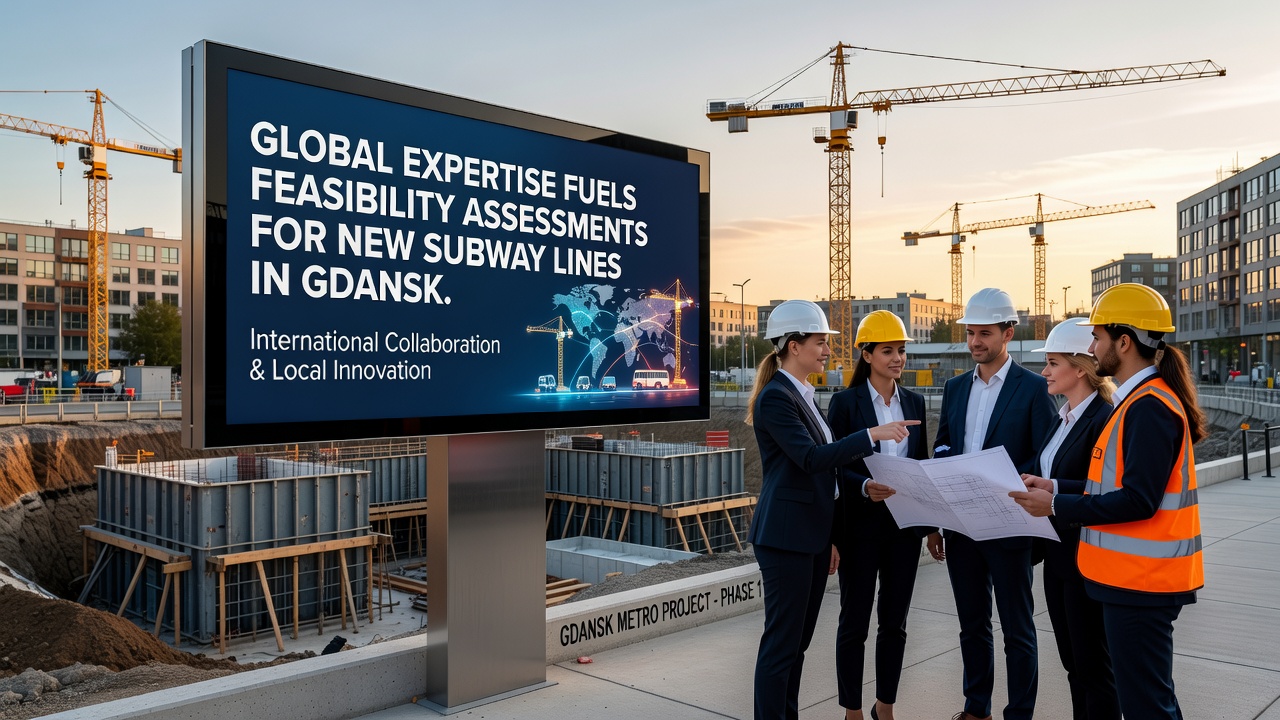
Global Expertise Fuels Feasibility Assessments for New Subway Lines in Gdansk
International teams from multiple continents have joined Polish planners to evaluate potential subway corridors in Gdansk, and the process draws on specialized knowledge in tunneling, urban integration, and long-term ridership forecasting. Data from the European Commission's transport research programs indicate that cities incorporating external engineering perspectives often complete preliminary studies within 18 to 24 months when geological and demographic variables receive simultaneous modeling.
International Input Shapes Route Selection
Consultants based in Canada and Australia have contributed hydrogeological models tailored to the Baltic coastal plain, while teams from the United States Department of Transportation supplied simulation software that factors in seasonal tourism spikes around the shipyards and historic center. These inputs combine with local surveys to produce layered maps that highlight soil stability risks along the planned northern extension toward the port facilities. Observers note that the same modeling approach helped reduce unexpected ground settlement issues during earlier expansions in other Baltic cities by nearly 30 percent according to aggregated project records.
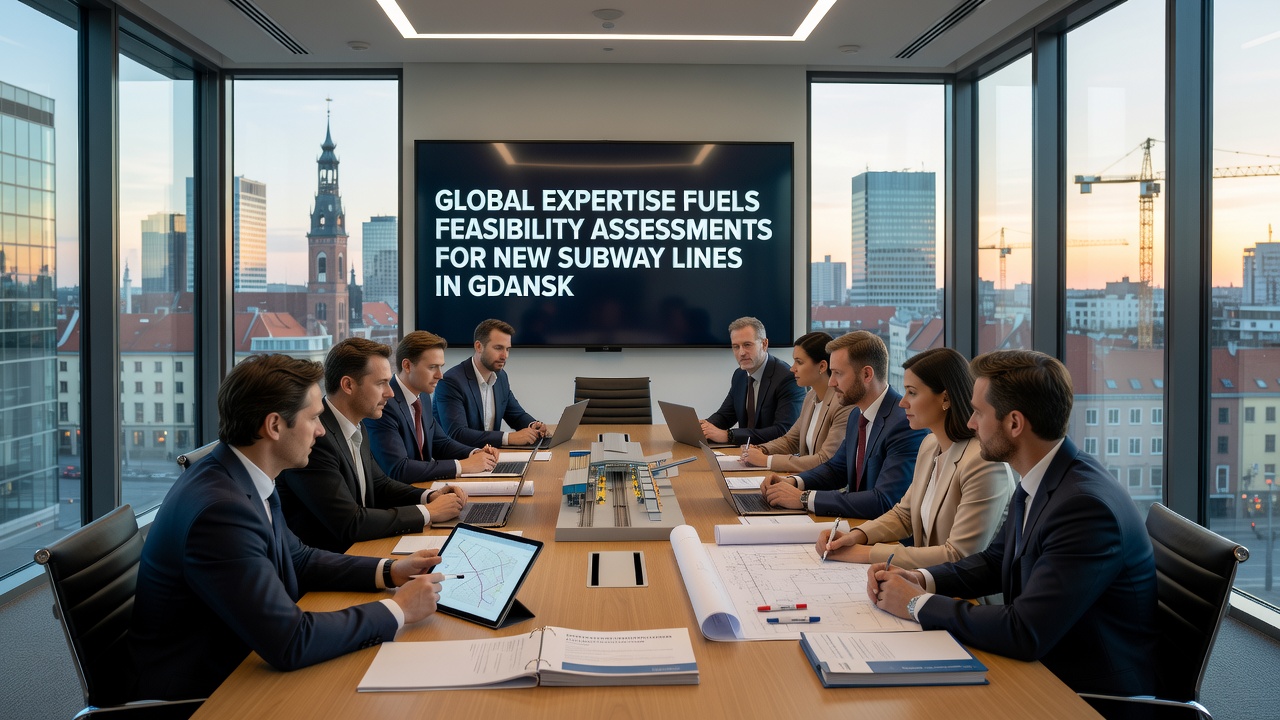
Feasibility work entered a new phase in October 2026 when representatives from the International Association of Public Transport arrived to review draft alignment options against updated passenger demand projections released by the Gdansk Metropolitan Transport Authority. The session examined how an east-west trunk line might intersect existing tram corridors without disrupting freight movements at the container terminal. Figures released during those meetings show projected daily boardings reaching 185,000 by 2038 if service frequencies match current peak-hour patterns observed on the Warsaw system.
Technical Studies Address Coastal Challenges
Engineers now focus on tunnel depths that accommodate both rising groundwater tables and the need for emergency evacuation shafts near the waterfront. Reports prepared by a joint Polish-German technical group outline the use of pressurized tunnel boring machines capable of operating in mixed sand and clay strata common to the Vistula delta. One study revealed that similar equipment performed reliably during the construction of the Copenhagen metro extension, where saline intrusion posed comparable risks.
Cost estimates currently range between 4.8 adn 5.6 billion euros for the first 14-kilometer segment, with contingency allowances calibrated against inflation trends tracked by the OECD infrastructure database. Funding discussions involve potential contributions from the Connecting Europe Facility alongside national allocations, and analysts from the European Investment Bank have begun stress-testing repayment scenarios that incorporate variable ridership growth rates linked to regional shipbuilding output.
Stakeholder Coordination Expands Scope
Municipal officials coordinate weekly with academic researchers at Gdansk University of Technology who supply real-time sensor data on existing bridge loadings and vibration patterns. Those measurements feed directly into station placement decisions near the historic shipyard district, where heritage protection zones limit surface disruption. The collaboration has already produced revised station footprints that preserve 19th-century crane structures while allowing underground passenger concourses to extend beneath adjacent storage halls.
Public consultation rounds scheduled through late 2026 will present these refined alignments to residents and business operators along proposed corridors. Materials prepared for those meetings include side-by-side comparisons of journey times by subway versus current bus and tram combinations, drawing on travel-time datasets compiled by Statistics Poland. Early feedback sessions indicate strong interest in direct connections to the airport, which would require an additional 3.2 kilometers of tunneling beyond the initial northern leg.
Timeline and Next Steps
Final feasibility reports are expected by March 2027, after which environmental impact assessments will proceed under Polish and EU regulatory frameworks. Project sponsors have indicated that detailed design contracts could be tendered in the second half of that year provided the October 2026 alignment reviews receive formal endorsement from the Ministry of Infrastructure. Progress updates appear regularly on the Gdansk Metropolitan Transport Authority portal, where stakeholders can track milestone completions and review supporting technical appendices.
Conclusion
The integration of specialized knowledge from multiple countries continues to refine the technical foundation for Gdansk subway planning, and ongoing data exchanges between local agencies and international partners support iterative improvements to route options and cost models. As assessments advance through the remaining months of 2026, the emphasis remains on aligning engineering solutions with documented environmental and demographic conditions specific to the region.